

Modern educational systems have long been facing questions about how to ensure an individualized approach for every student, how to reduce the administrative burden on teachers, and how to make high-quality educational content accessible to everyone. New research indicates that artificial intelligence can contribute to the quality of education, but only if it is developed and implemented with clear pedagogical and ethical guidelines.
Instead of viewing artificial intelligence as a separate technological add-on, this paper positions it as an integral part of the educational system. Particular emphasis is placed on the possibility of personalizing learning. Systems based on artificial intelligence can analyze students’ progress, identify difficulties, and adapt content to their pace and level of prior knowledge. Such an approach enables more precise support, as well as giving teachers better insight into the learning process.
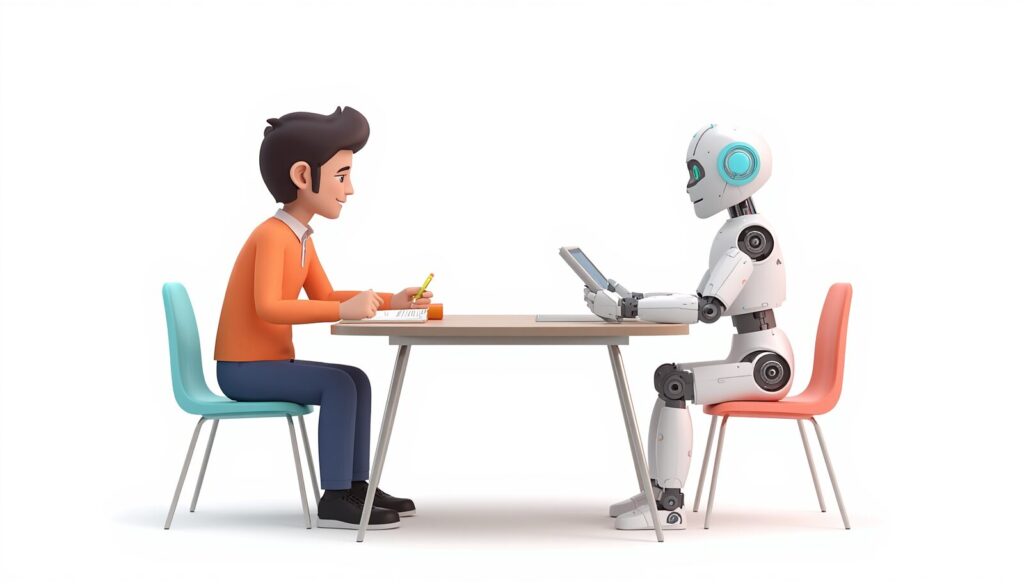
The research also highlights the potential of intelligent tutoring systems that provide timely feedback and automate part of routine tasks. This creates space for teachers to engage in higher-quality mentoring, lesson planning, and the development of students’ abilities for deeper understanding and independent reasoning. In this context, technology is not positioned as a replacement, but as support for the professional role of the teacher.
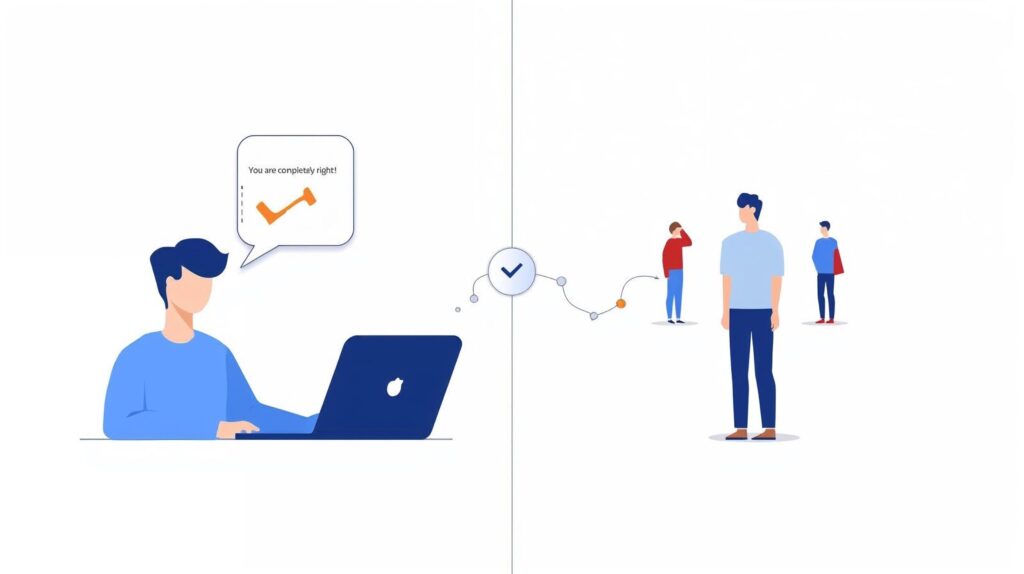
However, in addition to the advantages of using artificial intelligence in education, the research also points to several challenges. The protection of students’ personal data, transparency in the use of algorithms, and the prevention of system bias are identified as key prerequisites for responsible implementation. Furthermore, the need to reduce the digital divide is emphasized so that access to advanced tools can be equally available to all schools.
One of the more important conclusions concerns the changing professional role of teachers. The integration of artificial intelligence requires continuous professional development and the adoption of new pedagogical approaches. The goal is not an automated classroom, but a balanced system in which technology supports the expertise and empathy of teachers while enabling students to receive support where they need it most.
The study concludes that artificial intelligence can contribute to higher-quality and more equitable education, but its value depends on thoughtful and responsible integration into the everyday practice of schools.