
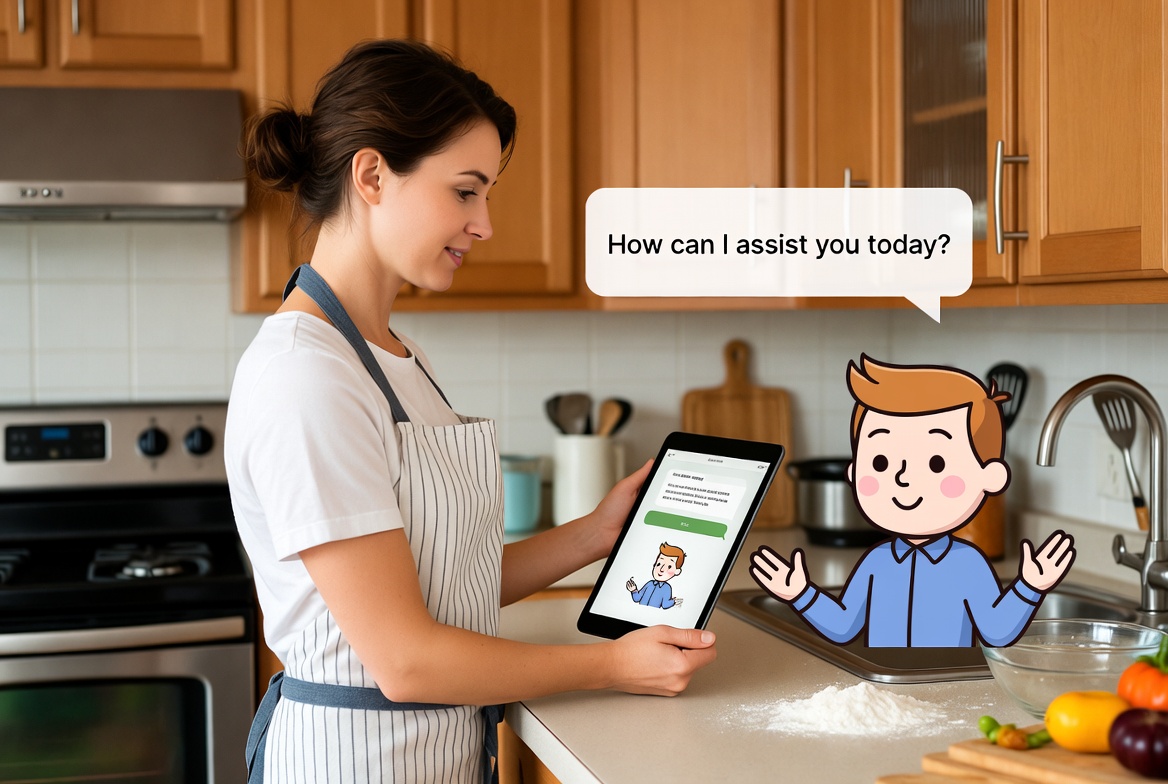
Just last year, we thought of AI as an advanced calculator or email-writing assistant. But a March 2025 report on the 100 best uses of generative AI reveals a shift: AI has moved from our offices to our homes.
Marc Zao-Sanders’ report, based on in-depth analysis of real-world user experiences (primarily from platforms like Reddit), shows that we’re no longer looking for efficiency alone, but for meaning, support, and companionship.
From “code” to “comfort”: A major shift in trends
While 2024 was dominated by technical skills and idea generation, 2025 brings a whole new set of priorities. AI is no longer just a “tool,” but is becoming an integral part of human decision-making and emotional support.
Here are the key ways people are using AI today:
- Therapy and socialization (1st place): People use AI as a “listening ear,” a mood analyzer, or simply as a virtual friend to help combat loneliness and navigate difficult emotions.
- Life organization and finding purpose: In second and third place are uses that help us structure our daily lives, but also dig deeper into our own values and life goals.
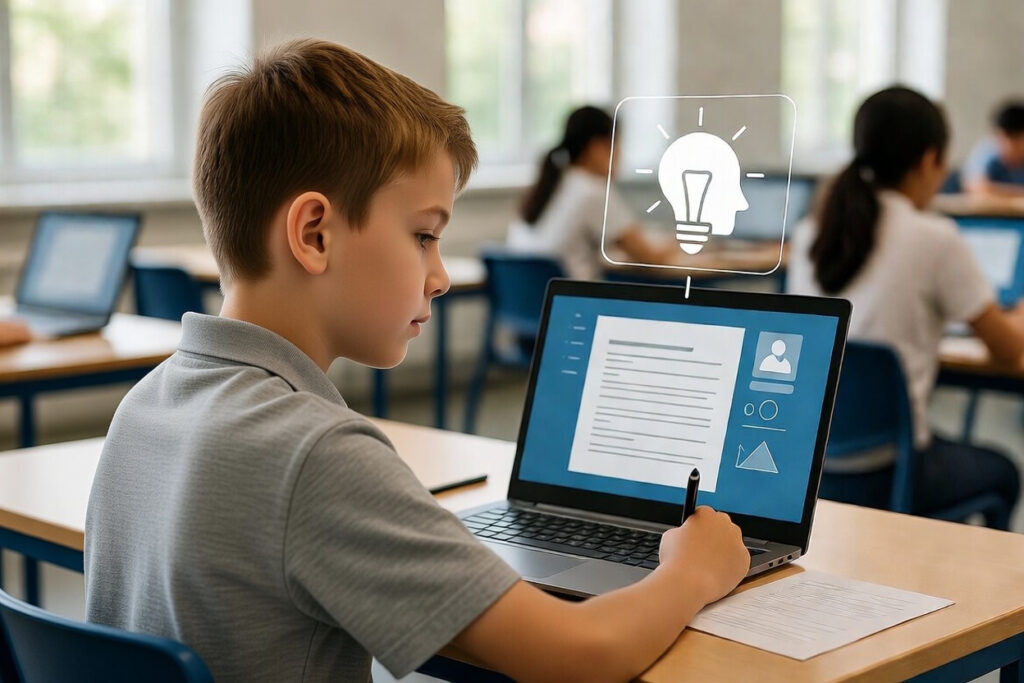
- Personal health and learning: AI now makes menus for us, analyses squat technique at the gym, or serves as an infinitely patient tutor who will explain nuclear physics to a child (or adult) as if they were five years old.
Technology that solves “real” problems
The report also highlights some very specific, real-life examples:
- Translating “legalese”: Instead of blindly clicking “I accept the terms of use,” users are now asking AI to summarize their contracts and warn them about suspicious items.
- Cooking with what you have: AI is helping us reduce food waste by suggesting recipes based on the ingredients currently “collecting dust” in our fridge.
- Interacting with the past: One of the more controversial but growing trends is simulating conversations with deceased loved ones to help us navigate the grieving process.
Conclusion: AI as a digital companion
The 2025 report sends a clear message: the era of pure technology fascination is behind us. Artificial intelligence has become more human-centric. Whether we use it to fix our boilers, prepare for job interviews or entertain our children, it has become our digital companion, helping us navigate the increasingly complex modern world.